Keep Your Lawn Healthy with Regular Care
Keep Your Lawn Healthy with Regular Care
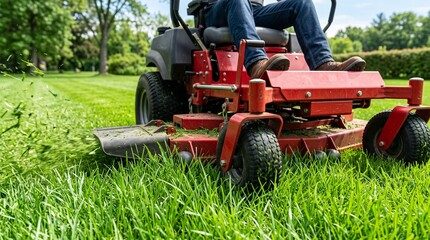
Maintaining a lush, green lawn isn’t just a one-time project – it’s an ongoing commitment. Whether you’re a proud homeowner or in charge of a commercial property, consistent lawn care can make all the difference in your landscape’s health and appearance. Regular maintenance not only keeps your grass healthy but also boosts your curb appeal, creating a welcoming look for visitors. In this article, we’ll explore the five key practices of lawn care – mowing, edging, blowing, fertilizing, and watering – and explain how each one contributes to a vibrant, well-kept lawn. By following these simple practices consistently, you can enjoy a yard that stays green, thick, and beautiful year-round.
Mowing: The Foundation of Lawn Health
A freshly cut lawn with a proper mowing routine stays thick, healthy, and green. Regular mowing is arguably the most important activity for keeping your lawn in top shape. Cutting the grass on a routine schedule (typically once a week during the growing season) helps the turf grow vigorously and maintain dense coverage. Consistent mowing at the proper height encourages your grass to develop deeper roots and spread out, which means fewer weeds can invade and the lawn tolerates stress better. In fact, mowing your turf routinely exposes each grass blade to just the right amount of sunlight, helping the grass grow healthier and greener. On the flip side, neglecting to mow for long periods can lead to overgrown grass that’s weaker and more prone to pests or disease.
Beyond the health benefits, mowing regularly keeps your yard looking neat and tidy. The most obvious benefit of weekly mowing is the appearance – a freshly cut lawn simply looks beautiful. Keeping grass trimmed to a uniform height gives your lawn a manicured, well-cared-for look that will be the envy of the neighborhood. This tidy appearance isn’t just for show; it also contributes to curb appeal. A lawn that is consistently mowed and maintained creates a positive first impression. In neighborhoods with homeowner associations or for businesses that want to impress customers, a well-mowed lawn helps meet community standards and makes an instant positive impression on visitors. In short, mowing is the foundation of lawn care – it keeps your grass healthy by encouraging strong growth and keeps your property looking sharp and welcoming.
Mowing tips: Try not to cut off more than one-third of the grass height in a single mow. Keeping your mower blades sharp and set to the right height (around 3 inches for many turf types) will ensure a clean cut that doesn’t scalp or stress the grass. If possible, leave the grass clippings on the lawn to decompose; they can return valuable nutrients to the soil, almost like a free fertilizer application. This practice (often called “grasscycling”) improves lawn nutrition and saves you cleanup time. By mowing regularly and correctly, you set the stage for a thick carpet of grass that both looks great and naturally resists weeds.
Edging: Clean Lines for Curb Appeal
After mowing, the next step to a professional-looking lawn is edging. Edging means trimming and defining the borders of your lawn – along sidewalks, driveways, flower beds, and fences – to create a crisp separation between the grass and other areas. This might seem like a small detail, but it makes a big visual impact. Lawn edging creates a clean, polished look and clearly delineates your lawn from walkways and garden beds. By cutting neat lines along the borders, you give your yard a finished appearance, as if it were maintained by a pro. In fact, a neatly edged lawn can significantly enhance the overall appearance of your property, boosting its curb appeal and even adding perceived value. It’s especially valuable if you’re looking to impress potential home buyers or clients – those sharp edges instantly signal that the property is well cared for.
From a practical standpoint, edging isn’t just for looks; it also has functional benefits for your lawn’s health and maintenance. First, it prevents grass from encroaching into areas it doesn’t belong. By creating a defined border, you stop turfgrass from creeping into flowerbeds or cracks in the sidewalk. This means fewer stray grass runners to yank out of your garden and less chance of your lawn invading and competing with your landscaping plants. Edging also helps keep weeds in check – it acts as a barrier that can prevent weed seeds or creeping weeds from the lawn spreading into the beds (and vice versa). Secondly, maintaining clear edges reduces overall maintenance work. With well-edged borders, mowing and trimming become easier since you know exactly where the lawn ends. You won’t need to spend as much time using a string trimmer to get the spots the mower missed, because the edger defines a path that the mower can follow more closely.
In summary, regular edging keeps your lawn looking crisp and attractive while also keeping grass and weeds in their place. You don’t necessarily have to edge every time you mow – it depends on how fast your grass grows and how tidy you want the borders to be – but checking the edges every few mows is a good practice. When you see grass starting to hang over sidewalks or flower beds looking a bit fuzzy around the edges, it’s time to break out the edger. A little effort with edging now and then will reward you with a lawn that has picture-perfect lines and much less unwelcome spread of grass or mulch. It’s the finishing touch that elevates your lawn from good to great in terms of curb appeal.
Blowing: Clearing Debris for a Healthy Lawn
Clearing leaves and grass clippings with a blower keeps your lawn neat and allows the grass to breathe. After mowing and edging, you’ll often have bits of grass, leaves, and other debris littering the lawn or hard surfaces. That’s where “blowing” comes in – using a leaf blower (or a rake and broom, if you prefer) to clear away those clippings and leaves. Blowing off driveways, sidewalks, and the lawn itself is more than just a housekeeping task; it actually helps protect the health of your grass. Lawn experts emphasize that regularly removing leaves and heavy clippings allows your grass to “breathe” and get the sunlight and air it needs. If leaves are left to pile up, they can block sunlight from reaching the grass and trap moisture underneath. This creates a damp, dark environment that can lead to problems like fungal growth, mold, or even patches of the lawn dying off. Over time, piled leaves can thin out your grass, causing bare spots that invite weeds to take root. The simple act of blowing or raking away leaves each week in the fall can prevent those bare spots and keep your lawn dense and resilient against weeds. Regular clearing keeps your lawn resilient and ready for nutrients, especially going into winter.
Cleaning up with a blower also makes a big difference in your yard’s appearance. A lawn could be perfectly mowed and edged, but if it’s covered in leaf litter or stray clumps of grass, it won’t look its best. By promptly removing debris, you maintain that fresh, tidy look that we all want for our landscapes. Picture two properties side by side: one has leaves and grass clippings scattered over the driveway and lawn, while the other is clean and debris-free. The clean lawn undoubtedly looks more inviting and well-kept. Moreover, clearing off sidewalks and entryways is especially important for commercial properties or front yards, since it gives visitors a safe, neat path and shows attention to detail. No one enjoys wading through ankle-deep leaves to reach the front door! Using a blower to tidy up after mowing ensures that your curb appeal isn’t spoiled by mess. It only takes a few minutes, but it leaves your lawn looking crisp and your walkways spotless.
In addition to aesthetics, debris removal can protect your lawn equipment and surfaces. Removing sticks, acorns, or excess thatch from the grass means there’s less risk of those things getting caught in your mower next time or staining your concrete. It’s a small step that contributes to the overall ease of maintaining your lawn. So, make blowing or raking a regular part of your lawn care routine. During the growing season, you might use the blower mainly to clean up grass clippings after mowing. In the fall, leaf blowing could be a weekly task as trees drop their foliage. Year-round, keep an eye out for any clutter on your grass – even after storms or events – and clear it off so your lawn stays healthy and looking its best.
Fertilizing: Feeding Your Lawn for Vibrant Growth
A healthy lawn, like any living thing, needs the right nutrients to thrive. Fertilizing is the practice of adding those nutrients (usually nitrogen, phosphorus, potassium, and more) to your soil to support grass growth. Over time, soil can become depleted as grass constantly uses nutrients and mowing removes some nutrients with the clippings. By fertilizing your lawn periodically, you replenish the soil’s nutrient supply and give your grass a boost of food to grow strong and green. In fact, regular lawn fertilization is one of the keys to achieving that lush, emerald-green lawn everyone loves – it provides essential nutrients that grass needs to grow and thrive, resulting in healthier, more vibrant turf. Proper fertilization doesn’t just make your grass look good; it also helps the lawn withstand stress. A well-fed lawn develops a robust root system and sturdier blades, which means it can better handle heat, cold, drought, foot traffic, and other challenges that come with the seasons. Additionally, thick and healthy grass can choke out weeds naturally, so keeping your lawn nourished is a simple way to prevent weed problems without a lot of chemicals.
For most lawns, fertilizing a few times a year (such as in spring and fall) is sufficient to maintain good health. The exact schedule can depend on your grass type and local climate, but the goal is the same: provide a steady diet for your lawn. When you fertilize regularly, you might notice your lawn stays green longer, recovers faster from mowing and foot traffic, and generally looks fuller and thicker. As one lawn care expert put it, “you feed your body, but your lawn needs food as well” – meaning a bit of fertilizer goes a long way in keeping the grass in top condition. By contrast, a lawn that never gets fertilized may eventually grow thin, pale, or patchy because the soil’s nutrients aren’t being replenished.
Remember to keep it simple and safe when fertilizing. You don’t need to be an agronomist or use professional-grade products; even the basic lawn fertilizer from your local garden center, applied according to directions, will work wonders. Follow the recommended amounts (more isn’t always better – over-fertilizing can harm the grass or pollute runoff). A good practice is to mow a day or two before fertilizing, then lightly water the lawn after applying fertilizer so the nutrients soak into the soil. Always sweep or blow any stray fertilizer granules off sidewalks/driveways back onto the grass to avoid waste and stains. Also, be mindful of the season – for example, feeding the lawn in early fall can help grass store energy for the winter and green up faster in spring. By feeding your lawn with a proper fertilization routine, you’ll help it stay thick, green, and healthy, enhancing that curb appeal with rich color and vigorous growth.
Watering: Proper Hydration for Lush Grass
Last but certainly not least, watering is critical to lawn health. Water is to a lawn what oxygen is to us – absolutely essential. Even the best mowing or fertilizing routine won’t show results if your grass is drying out. Proper watering ensures your lawn stays hydrated, which keeps the grass blades plump and green and the roots growing deep. A well-watered lawn is less likely to turn yellow or brown, and it has a higher resistance to lawn pests and diseases. In other words, giving your grass the moisture it needs is a simple way to keep it healthy and resilient. Consistent watering, especially during hot or dry periods, prevents stress on the turf. When grass gets too dry, it starts to wilt and becomes susceptible to damage or infestation. By maintaining soil moisture, you help the lawn maintain its vigor and natural defenses. In fact, regular watering (combined with proper fertilizing) builds a stronger root system that can withstand heat waves and cold snaps much better than an under-watered lawn.
That said, how and when you water is just as important as how much. It’s possible to overwater or water incorrectly, which can lead to its own problems. For best results, water your lawn deeply but infrequently. Most lawns need about 1 to 1.5 inches of water per week (including rainfall) to stay healthy. It’s often recommended to deliver this in one or two deep waterings per week rather than a little bit every day. Deep watering encourages grass roots to grow down into the soil in search of moisture, which leads to a more drought-tolerant lawn. Light daily sprinkling, by contrast, can cause roots to stay near the surface and the grass may struggle more in dry spells. Also, the timing of watering matters: the morning hours are ideal. Watering in the early morning (before 10 A.M.) gives the lawn a chance to soak up moisture before the heat of the day, and the grass blades will dry off as the sun rises. If you water in the middle of a hot afternoon, much of the water can evaporate before it reaches the roots. Watering late in the evening is better than nothing during a drought, but it’s not ideal because the lawn stays damp overnight, which can encourage fungal diseases on your grass. A general rule: water early, and water deeply. By doing so, you’ll deliver the hydration your lawn needs while minimizing waste and preventing disease.
Regular, deep watering in the early morning helps grass develop deep roots and stay lush and green. Keep an eye on your lawn’s cues to know when it needs a drink. When grass starts to look a dull bluish-green or footprints remain visible in the grass (the blades don’t spring back), it’s a sign your lawn is thirsty. During rainy seasons, you might not need to water at all, but in dry spells or high summer, be ready to give your lawn some extra love with the sprinkler or hose. Also, consider local water restrictions – many communities have schedules for lawn watering during summer to conserve water, so be sure to follow those guidelines. With smart watering habits, you’ll maintain a lush, soft lawn that not only feels great underfoot but also enhances your curb appeal with its vibrant green color. There’s nothing like a well-watered, glistening lawn in the morning sun to make your property look alive and inviting!
Let The Lawn Dude handle the routine
Mowing, edging and blowing are part of every visit we make, and fertilization, cleanups and trimming are built into our Plus and Premium lawn care plans. If you would rather spend your weekends enjoying your yard than working on it, request a free estimate.
More lawn care tips
Want it done for you?
Our Basic, Plus and Premium lawn care plans bundle mowing with seasonal care on one monthly bill.
See lawn care plans →Ready for a yard you don't have to worry about?
Tell us about your property and we will send you a free estimate the same business day.
